South Florida tends to set the pace for the rest of the state. Coastal homes there are held to some of the strictest wind requirements in the country, and homeowners often adopt new materials and home technology early. What appears in a Fort Lauderdale showroom this year frequently shows up on Central Florida plans soon after.
Builders who watch that pattern rarely get caught flat-footed.
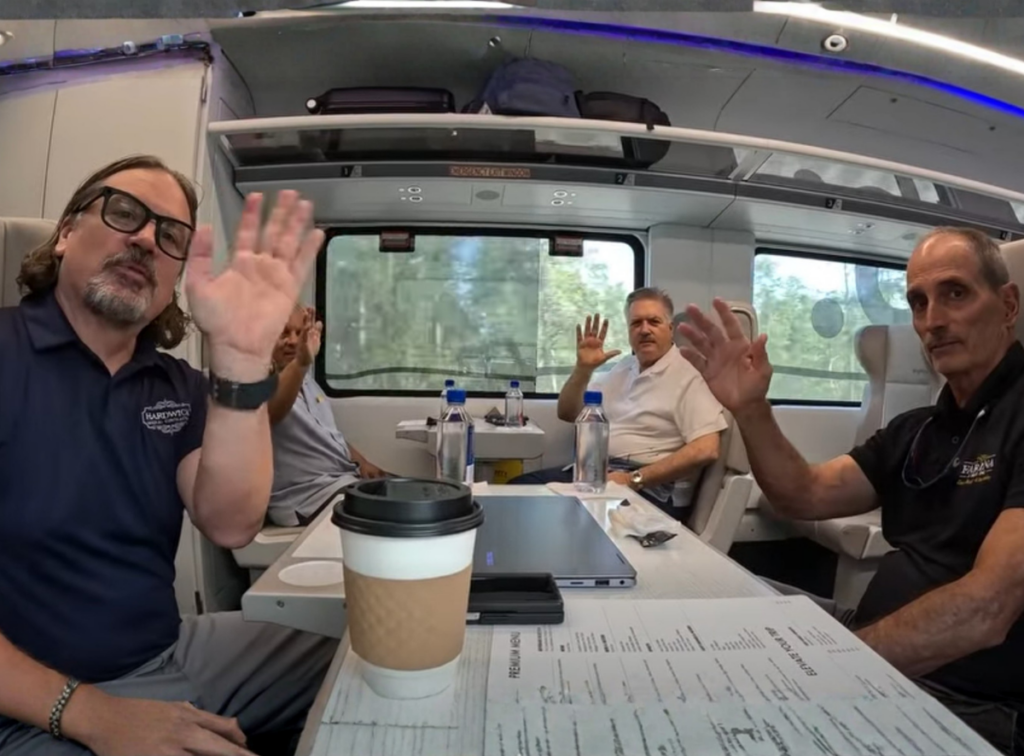
It’s also why the Master Custom Builder Council keeps travel on its continuing education calendar. The council recently wrapped its annual South Florida Builder Tour, and the Hardwick General Contracting team made the trip alongside other Central Florida custom builders to see where materials and home technology are heading, and to spend time with the vendor partners who supply them.
Why Continuing Education Means Getting on the Road
The MCBC is an invitation-only organization of Central Florida custom builders, and education sits close to the center of what it does. In its own recap of the trip, the council described travel as a long-running piece of that education, a way to keep members current on other markets and on the newest products moving through the industry.
Here’s the thing about continuing education in this business. Code updates and manufacturer webinars cover plenty of ground, but a screen can’t show how a large-format slab reads under afternoon light, or how a sliding door’s hardware feels when you work it with one hand. Some things you only learn standing in the room.
And there’s a relationship side that’s easy to overlook. A builder who has walked a supplier’s floor and asked hard questions face to face usually gets straighter answers later, when a lead time slips or a spec changes halfway through a project. (Anyone who has waited on a backordered appliance package knows how much that matters.)
Seeing Countertops and Appliances in Person
Showroom visits made up a good share of the itinerary, with Cosentino among the stops. The company produces Silestone and Dekton surfaces, and Dekton in particular gets specified for outdoor kitchens because it’s made to handle sun exposure. That matters here. An outdoor kitchen on a west-facing lanai takes a beating from May through October, and summer humidity tests every material under that roof.
Seeing slabs in person, edge profiles and veining included, makes it much easier to steer a homeowner toward a countertop that will still look right in year fifteen.
Ferguson, whose showrooms carry plumbing fixtures and appliances, was also among the tour’s hosts and sponsors. Appliance selection is one of those decisions that ripples outward. A 48-inch range or a pair of column refrigerators sets cabinet dimensions and ventilation runs long before the cabinet shop starts cutting, so the earlier those choices settle, the smoother design development tends to go.
Impact Windows Made for Hurricane Country
ES Windows, a South Florida manufacturer of impact-resistant windows and doors, helped host and sponsor the tour as well. Miami-Dade and Broward counties fall within the High-Velocity Hurricane Zone of the Florida Building Code, so products made for that market are tested to a demanding standard.
Central Florida sits inland, but hurricane season doesn’t pay much attention to county lines. Windows and doors are often where a storm first finds its way into a house, and once wind pressure gets inside, the roof is next in line. For an Orlando custom home builder working on lakefront lots with long walls of glass facing the water, a close look at how a frame is assembled and how laminated glass is held in place is time well spent.
Plan Smart Home Wiring Before the Drywall Goes Up
Crestron and Central Florida Automation represented the home technology side of the trip. Crestron builds control systems that tie lighting, shades, audio, and climate into one platform, and Central Florida Automation brings that kind of technology into homes across the region.
Frankly, home technology is where late decisions cost the most. Low-voltage wiring runs and recessed shade pockets need to be settled while the walls are still open. Adding them after drywall is possible, but it’s messier and almost always more expensive, which is why the best time to talk about a theater room or motorized shades is during design, long before anyone picks paint colors.
Brightline Shrinks the Distance Between Markets
Not every stop involved a showroom. Members also rode Brightline, the passenger rail line connecting Orlando International Airport to Miami with stops along the southeast coast. The full run takes roughly three and a half hours, which is less time than most people spend on I-95 traffic on a Friday.
Rail like this changes how people think about where they live. Plenty of Central Florida homeowners split time with family or business in South Florida, and a dependable train makes that arrangement easier to sustain. For builders, it’s a reminder that the market is regional now. The ideas travel with the people.
How the Trip Pays Off for Homeowners
The value of a tour like this rarely shows up in a single project. It shows up gradually, in a better answer to a homeowner’s countertop question or a wiring plan that anticipates what a family will want five years from now.
The Hardwick team extends its thanks to the Master Custom Builder Council and to the tour’s hosts and sponsors: Central Florida Automation, Cosentino, Crestron, ES Windows, Ferguson, and Manning Building Supplies. Their time and expertise made the trip possible. You can watch the council’s South Florida tour recap video or keep an eye on upcoming programs through the MCBC events page.
Some of what the group saw will likely turn up in Central Florida homes over the next few seasons. Other pieces may need a few more years of real-world performance in coastal homes before anyone inland is ready to commit to them.